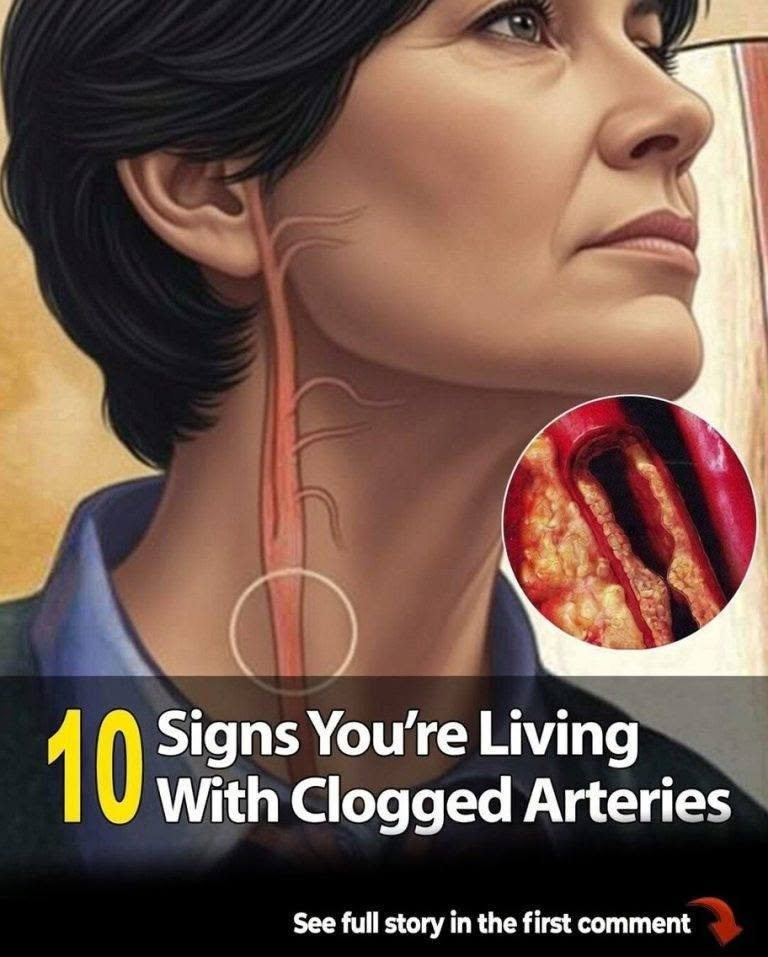
Blocked arteries, medically known as atherosclerosis, are often described as a silent threat. Plaque—a buildup of fats, cholesterol, and other substances—can accumulate within the artery walls for decades without producing any obvious symptoms. For many people, the first indication that something is wrong is a heart attack or a stroke. However, the body does sometimes offer subtle clues before a catastrophic event occurs. These warning signs can appear in the legs, the chest, the brain, or even the eyes, and they are frequently dismissed as signs of aging, stress, or a minor ailment. The image of a woman with a visible artery blockage serves as a reminder that recognizing these indicators is not about inducing fear; it is about empowering yourself to seek timely medical evaluation when your body is trying to tell you something important.
Understanding the Silent Nature of Atherosclerosis
Before examining the specific signs, it is crucial to understand why blocked arteries are so often overlooked. Mild atherosclerosis typically does not cause symptoms. The condition only begins to manifest when an artery becomes so narrowed that it can no longer deliver enough oxygen-rich blood to the organs and tissues that depend on it. In some cases, a blood clot may completely block the flow, leading to an emergency.
The symptoms you experience depend entirely on which arteries are affected. Plaque buildup is not limited to the heart; it can occur in the arteries supplying the brain, the legs, and the kidneys. This systemic nature means that a problem in one area is often a clue that plaque is building up elsewhere.
The 10 Warning Signs You Should Not Ignore
1. Chest Pain or Pressure (Angina)
The most classic sign of coronary artery disease is angina. This is often described as a feeling of pressure, tightness, or heaviness in the chest. The pain is usually located in the middle or left side of the chest and is frequently triggered by physical exertion or emotional stress. It typically subsides within minutes after you stop the stressful activity. However, it is important to note that not all chest pain follows this pattern. In some people, particularly women, the pain may be fleeting, sharp, or felt in the neck, arm, or back.
2. Shortness of Breath and Unexplained Fatigue
When the heart is not receiving enough blood, it cannot pump efficiently. This can lead to shortness of breath or a feeling of extreme fatigue, especially during physical activity. You might find yourself winded doing tasks that were previously easy, such as climbing stairs or carrying groceries. This symptom is often overlooked because it can be easily attributed to poor fitness, aging, or simply being busy.
3. Pain Radiating to the Arm, Shoulder, Neck, or Jaw
Heart-related pain does not always stay in the chest. It can radiate to other parts of the upper body. The American Heart Association notes that heart attack symptoms can include pain or discomfort in one or both arms, the back, neck, jaw, or stomach. Women, in particular, are more likely than men to experience less typical signs, such as neck or jaw pain. If you experience unexplained pain in these areas, especially if it comes on with exertion and eases with rest, it warrants investigation.
4. Leg Pain or Cramping While Walking (Claudication)
When plaque narrows the arteries supplying the legs, the condition is called peripheral artery disease (PAD). The hallmark symptom is intermittent claudication—muscle pain or cramping in the legs that is triggered by exercise, such as walking, and relieved by rest. The pain is often described as aching, burning, or a feeling of heaviness and is most commonly felt in the calf. Many people with PAD dismiss this pain as a normal part of aging or a sign of arthritis, which can delay diagnosis.
5. Coldness or Color Changes in the Legs or Feet
Reduced blood flow to the extremities can cause noticeable physical changes. You might notice that one foot or lower leg feels significantly cooler to the touch than the other. The skin on the legs or feet may also change color, appearing paler than usual or taking on a bluish tint. In more advanced cases, the skin may become shiny, and hair loss on the legs and feet may occur.
6. Slow-Healing Wounds or Sores on the Feet
Adequate blood flow is essential for healing. When the arteries in the legs are blocked, even minor cuts, scrapes, or sores on the feet or toes can take an unusually long time to heal, or they may not heal at all. This is a particularly serious warning sign. In severe cases, poor blood flow can lead to tissue breakdown and even gangrene, potentially requiring amputation. Any non-healing wound on the foot should be evaluated by a healthcare professional promptly.
7. Sudden Numbness, Weakness, or Trouble Speaking
When plaque builds up in the arteries leading to the brain (the carotid arteries), it can cause a transient ischemic attack (TIA) or a stroke. The warning signs include sudden numbness or weakness in the face or limbs, often on one side of the body; sudden trouble speaking or understanding speech; and sudden trouble seeing in one or both eyes. These symptoms are a medical emergency. Even if they resolve quickly, they are a critical warning that a major stroke may be imminent.
8. Dizziness or Loss of Balance
Atherosclerosis affecting the brain can also manifest as sudden dizziness or a loss of balance. While dizziness has many causes, when it occurs suddenly and is accompanied by other neurological symptoms, it should be treated as a potential warning sign of reduced blood flow to the brain. The American Heart Association recommends calling emergency services if you experience sudden loss of balance or difficulty walking.
9. Erectile Dysfunction
In men, blocked arteries can affect blood flow to the penis, leading to erectile dysfunction (ED). The NHS lists erectile dysfunction as a symptom of peripheral artery disease. Because the arteries in the penis are smaller than those in the heart, symptoms of atherosclerosis may appear there first. This makes ED a potential early warning sign of broader cardiovascular issues.
10. Severe Headache with No Known Cause
While less common than some other symptoms, a sudden, severe headache can be a sign of a stroke or a TIA. This is not a typical tension headache; it is often described as an explosive headache that comes on without warning. Any headache of this intensity requires urgent medical evaluation, especially if it is accompanied by confusion, vision changes, or weakness.
What to Do If You Recognize These Signs
If you experience any of the symptoms described above, especially chest pain, sudden weakness, or difficulty speaking, seek emergency medical attention immediately. Do not wait to see if the symptoms pass, and do not drive yourself to the hospital.
For symptoms that are less acute—such as leg cramping during walks, slow-healing sores, or unexplained fatigue—schedule an appointment with a healthcare provider. A doctor can assess your risk factors, perform a physical examination, and order appropriate tests, such as a Doppler ultrasound, to determine if you have blocked arteries. Early diagnosis and treatment are essential for managing the condition, preventing complications, and maintaining your quality of life.
Conclusion
Blocked arteries are a serious and often silent condition, but the body does provide clues. From the classic chest pressure of angina to the subtle cramping in your legs during a walk, these ten signs serve as a guide for when to seek medical advice. Many people dismiss these symptoms as minor or attribute them to other causes, which can delay a crucial diagnosis. Paying attention to your body and acting on these warning signs is not an act of fear; it is a proactive step toward protecting your heart, your brain, and your overall health.
Frequently Asked Questions
Can blocked arteries be reversed? While significant plaque buildup is generally not reversed, lifestyle changes—such as a heart-healthy diet, regular exercise, and quitting smoking—along with medications can slow the progression of the disease and prevent further blockages.
Are there always symptoms of blocked arteries? No. Mild to moderate atherosclerosis often causes no symptoms at all. This is why regular check-ups and managing risk factors like high blood pressure and cholesterol are so important.
What is the difference between a heart attack and a stroke? A heart attack occurs when blood flow to the heart is blocked, often causing chest pain and other symptoms. A stroke occurs when blood flow to the brain is blocked, causing sudden neurological symptoms like weakness, numbness, or trouble speaking.
Is leg pain always a sign of blocked arteries? No, leg pain can have many causes, including arthritis, muscle strain, or nerve issues. However, pain that reliably comes on with walking and eases with rest is a classic sign of peripheral artery disease and should be evaluated.
What are the biggest risk factors for blocked arteries? Major risk factors include high blood pressure, high cholesterol, smoking, diabetes, obesity, a sedentary lifestyle, and a family history of heart disease.