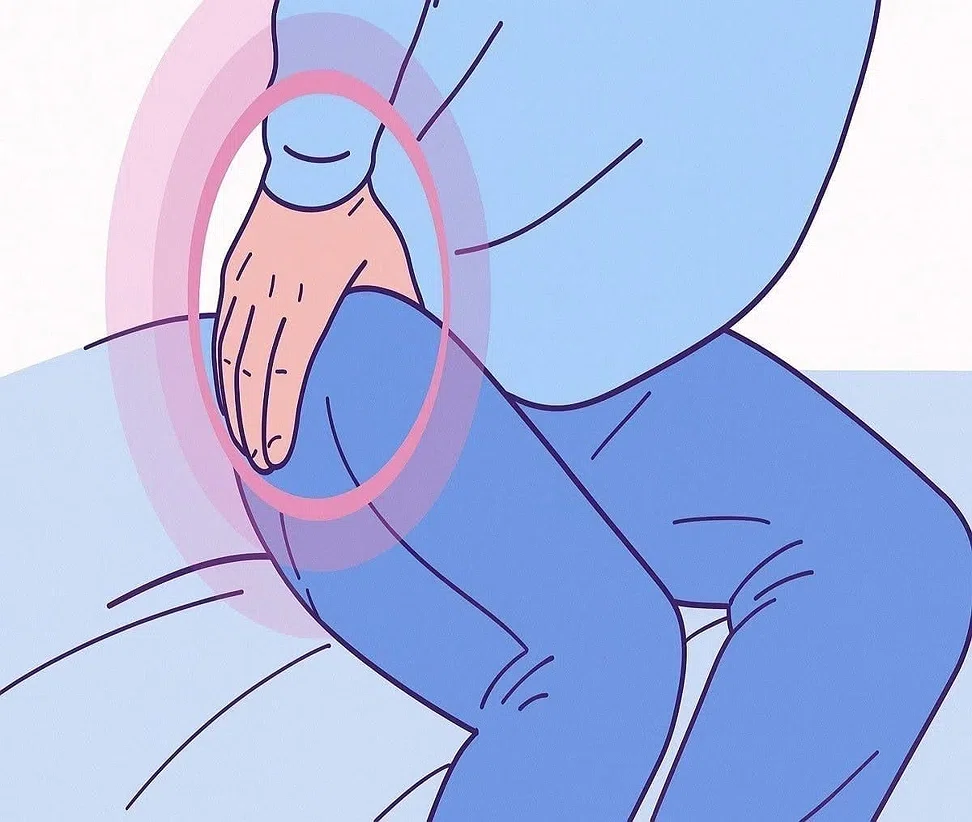
The image shows a person clutching the outside of their hip, a gesture that will be immediately familiar to anyone who has experienced this specific type of discomfort. Hip pain is a common complaint, but the location of the pain is a crucial diagnostic clue. Pain felt on the lateral, or outer, side of the hip is often distinct from pain felt in the groin, which is more typically associated with the hip joint itself.
The prompt suggests that this type of pain is a “clear sign” of something. While it is not a sign of a single, definitive disease, lateral hip pain is a strong indicator of a specific group of soft-tissue problems. The most common culprits are trochanteric bursitis and gluteal tendinopathy (often called hip tendonitis). Understanding the anatomy, the causes, and the available treatments for these conditions is the first step toward finding relief and restoring mobility.
The Anatomy of the Outer Hip
To understand why pain occurs on the outside of the hip, it helps to know what structures are located there. The hip is a ball-and-socket joint, but the pain in question is not usually caused by the joint itself. Instead, it involves the soft tissues that surround the prominent bony point on the outside of the hip, known as the greater trochanter.
The Greater Trochanter and the Bursa
The greater trochanter is the bony bump you can feel on the side of your hip. It serves as an attachment point for several important muscles, including the gluteal muscles (the buttocks). Between the bone and these muscles lies a small, fluid-filled sac called the trochanteric bursa. Its job is to reduce friction and cushion the area as the muscles and tendons move over the bone.
The Gluteal Tendons
The gluteal tendons attach the gluteal muscles to the greater trochanter. These tendons are essential for stabilizing the hip and enabling movements like walking, standing, and climbing stairs. They are subjected to significant stress and can become irritated or degenerated over time.
The Two Most Likely Causes of Outer Hip Pain
When the structures in this area are irritated or inflamed, the result is pain on the outside of the hip. Two conditions are the most common causes.
Trochanteric Bursitis
Trochanteric bursitis is the inflammation of the trochanteric bursa. When this bursa becomes irritated, it swells and produces pain. This condition is often caused by repetitive friction or pressure on the area.
Symptoms: The pain is typically a deep, aching pain on the outside of the hip. It may be sharp when you press on the area. The pain often worsens when you lie on the affected side at night, when you climb stairs, or when you stand for long periods.
Causes: It can be caused by an injury, but it is more often the result of overuse or biomechanical issues. It is common in runners, in people who are overweight, and in those who have a wider pelvis. It can also be triggered by a sudden increase in physical activity.
Gluteal Tendinopathy (Hip Tendonitis)
Gluteal tendinopathy, also known as hip tendonitis or gluteal tendinopathy, is a condition where the gluteal tendons become irritated, inflamed, or, in chronic cases, degenerated. This is a very common cause of lateral hip pain, particularly in middle-aged women.
Symptoms: The pain is similar to bursitis—a deep ache on the outside of the hip that is worse with activity. It can also cause a feeling of weakness or instability in the hip. The pain may radiate down the outer thigh.
Causes: It is often caused by overuse, poor biomechanics, or a sudden increase in activity. It is also associated with hormonal changes, which is why it is more common in perimenopausal and postmenopausal women. The tendons can become compressed and irritated by the way the hip moves.
Why Location Matters: Outer vs. Groin Pain
It is essential to distinguish between pain on the outside of the hip and pain in the groin. This distinction helps narrow down the possible causes.
Lateral (Outer) Hip Pain: As described, this is usually a soft-tissue problem, such as bursitis or tendinopathy.
Anterior (Groin) Hip Pain: Pain felt in the groin is more often related to the hip joint itself. It can be a sign of osteoarthritis, a labral tear, or a condition called femoroacetabular impingement (FAI), where the bones of the hip rub together abnormally.
Diagnosis and Treatment
If you are experiencing pain on the outside of your hip, it is important to get an accurate diagnosis. A doctor or physical therapist can usually diagnose the condition through a physical examination, which may include pressing on the area and asking you to perform certain movements. Imaging tests, such as an ultrasound or MRI, may be used to confirm the diagnosis and rule out other issues.
Conservative Treatment Options
The good news is that most cases of trochanteric bursitis and gluteal tendinopathy can be treated conservatively, without surgery. Treatment focuses on reducing inflammation and strengthening the surrounding muscles.
Rest and Activity Modification: Avoid activities that aggravate the pain, such as running, prolonged standing, or climbing stairs. Modify your exercise routine to include low-impact activities like swimming or cycling.
Physical Therapy: This is a cornerstone of treatment. A physical therapist can teach you exercises to strengthen the gluteal muscles, which helps support the hip and reduce stress on the tendons and bursa. They can also help correct any biomechanical issues that may be contributing to the problem.
Ice and Anti-Inflammatories: Applying ice to the area can help reduce acute inflammation. Over-the-counter non-steroidal anti-inflammatory drugs (NSAIDs) like ibuprofen can also help with pain and inflammation, but they should be used as directed.
Corticosteroid Injections: In some cases, a doctor may recommend a corticosteroid injection into the bursa or around the tendon to provide temporary relief from severe pain.
When to See a Doctor
You should see a doctor if your hip pain is severe, does not improve with rest and home care, or if it is accompanied by other symptoms such as swelling, redness, or a fever. A proper diagnosis is essential for effective treatment.
Conclusion: A Treatable Condition
Pain on the outside of the hip is a clear sign that the soft tissues in that area are irritated or inflamed. While it can be uncomfortable and disruptive to daily life, it is not usually a sign of a serious underlying disease. The most common causes, trochanteric bursitis and gluteal tendinopathy, are highly treatable with conservative measures like rest, physical therapy, and activity modification. By understanding the anatomy and the likely causes, you can take the first step toward finding relief and getting back to the activities you enjoy.
Frequently Asked Questions
What does pain on the outside of the hip mean?
It is most commonly a sign of trochanteric bursitis or gluteal tendinopathy, which are conditions involving the soft tissues (bursa and tendons) that attach to the outside of the hip bone.
How can I tell if it’s bursitis or tendinopathy?
Both conditions cause similar pain on the outside of the hip, and they often occur together. A doctor or physical therapist can perform a physical exam to distinguish between them, though the initial treatment for both is similar.
Is it safe to exercise with outer hip pain?
It depends on the exercise. Activities that aggravate the pain, like running or stair climbing, should be avoided. Low-impact activities like swimming or gentle stretching may be beneficial, but it is best to consult a physical therapist for a personalized plan.
How long does it take for outer hip pain to heal?
With proper treatment, most cases improve within a few weeks to a few months. However, chronic tendinopathy can take longer to resolve and requires consistent strengthening exercises.
When should I see a doctor for hip pain?
You should see a doctor if the pain is severe, prevents you from walking, is accompanied by a fever, or does not improve with rest and home care. A doctor can provide an accurate diagnosis and rule out other conditions.